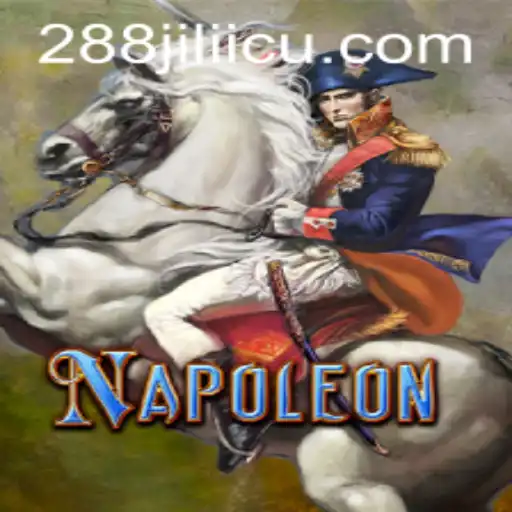
The Fascinating World of the Game "Napoleon"
The game Napoleon effortlessly combines historical elements with strategic gameplay, embedding the intriguing figure of Napoleon Bonaparte into an engaging experience. Not only does it provide entertainment, but it also stimulates players' imagination by drawing them back into the Napoleonic era. In this exploration, we delve into the game's description, explore its rules, and highlight its relevance in today's gaming landscape, particularly in relation to the keyword 288jili.
Introduction to Napoleon
Napoleon is a game that takes players on a journey through history, placing them in the shoes of the French military leader Napoleon Bonaparte. Known for his role in shaping European politics in the early 19th century, Napoleon's legacy is both grand and controversial. The game aims to bring this dynamic character to life, allowing players to experience the triumphs and challenges of his era.
In light of current gaming trends, where historical themes and strategic elements are increasingly popular, Napoleon stands out as a game that offers both. Its design appeals to a wide range of players, from history enthusiasts to fans of strategy games, creating a rich tapestry of experiences anchored in historical authenticity.
Understanding the Game Mechanics
The core mechanics of Napoleon revolve around strategic decision-making and resource management. Players are tasked with leading campaigns, managing resources, and making tactical decisions that could alter the course of history. The game blends strategic elements with narrative storytelling, allowing players to relive significant battles and political maneuvers from Napoleon's era.
Players must navigate through complex scenarios that challenge their strategic aptitude. The decisions they make can lead to victories or setbacks, requiring them to adapt and rethink their strategies continually. This dynamic approach ensures that no two games are alike, providing a fresh and engaging experience each time.
The Rules of the Game
The rules of Napoleon are designed to be both challenging and accessible. The game is typically played by two to four players, with each person taking on the role of a key figure from the Napoleonic era. The objective is to outsmart opponents through a series of battles and diplomatic negotiations, ultimately striving to achieve dominance over Europe.
Players take turns executing commands, which include moving troops, engaging in battles, and forming alliances. Winning battles allows players to gain control of strategic locations, accumulate resources, and strengthen their position in the game. Diplomacy plays a crucial role as well, offering a pathway to gain allies and negotiate beneficial terms.
One of the intriguing features of Napoleon is its use of realistic historical scenarios, which demand players to not only focus on military prowess but also on political acumen. Understanding the intricacies of each decision and foreseeing the ripple effects on subsequent turns is key to success.
Napoleon and Its Place in Modern Gaming
As the gaming industry continues to evolve, Napoleon finds itself particularly relevant in today's context. The keyword 288jili suggests a link to online platforms where games like Napoleon are gaining visibility and popularity. With the rise of online gaming communities, this game finds a new audience, attracting both veteran strategy players and newcomers alike.
Current events, such as the focus on digital transition and the increasing interest in historically themed media, create an ideal environment for a game like Napoleon to thrive. The educational benefits of engaging with historical content through interactive media are well-documented, offering players not only entertainment but also insights into the complexities of historical conflicts and diplomacy.
Moreover, the convergence of strategic gameplay with historical themes taps into a broader cultural fascination with figures like Napoleon, whose life and decisions continue to captivate audiences worldwide. By engaging with such material, players can gain a deeper appreciation of historical events while honing their strategic thinking skills.
Conclusion
The game of Napoleon presents a unique blend of history and strategy, capturing the essence of an era marked by ambition, conflict, and change. Its rules and mechanics provide a challenging yet rewarding experience for players, encouraging them to delve into the complexities of historical strategy. As gaming continues to embrace both digital platforms and historical themes, Napoleon remains a compelling choice for those seeking immersive and intellectually stimulating gameplay.